
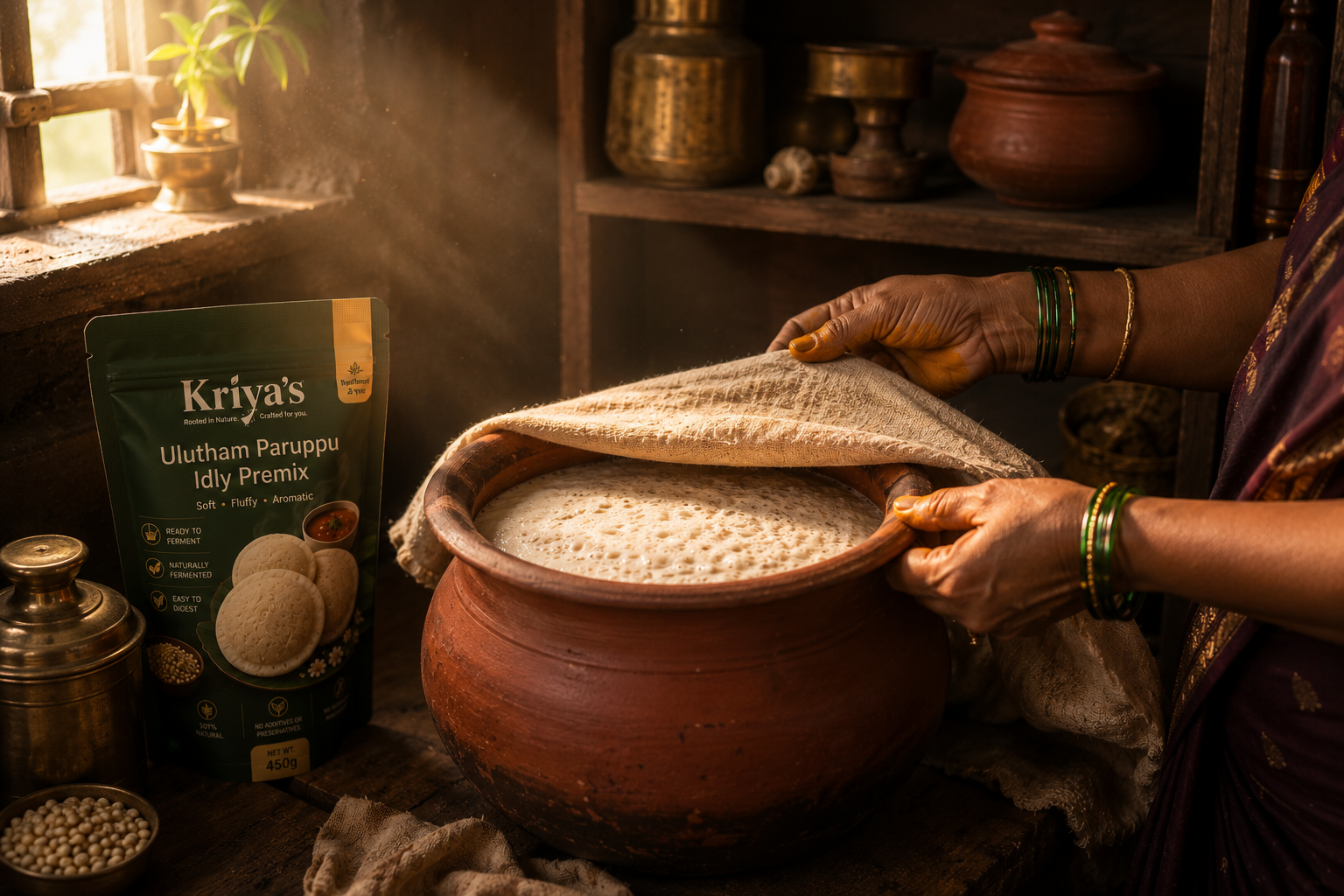
The Art of Fermentation
Master the ancient South Indian tradition of fermenting idly and dosa batter. Science-backed guidance for perfect results, every single time.
2x
Vitamin B12 increase after fermentation
50%
Reduction in anti-nutritional phytic acid
8–10h
Ideal fermentation window
30°C
Optimal temperature for Lactobacillus
Step-by-Step
The Kriya's Method
Four simple steps, honed over generations of South Indian cooking tradition.
Mix the Batter
5 minutesAdd the premix to a large vessel. Gradually add cool water while mixing in one direction to develop the batter's gluten structure. Aim for a thick, smooth consistency — it should coat the back of a spoon.
Use cool water (not cold) for better fermentation activity
Ferment Overnight
8–12 hoursCover the vessel loosely with a lid (leave a small gap for gas to escape). Place in a warm spot — an oven with just the light on, near a warm appliance, or in a warm room maintains 28–32°C perfectly.
The batter should double in volume and smell pleasantly sour
Check & Season
1 minuteThe fermented batter will be light, airy, and slightly bubbly on top. Add salt to taste and fold gently — don't over-stir. This preserves the air bubbles that make idlies soft.
Add salt only after fermentation — salt inhibits the bacteria
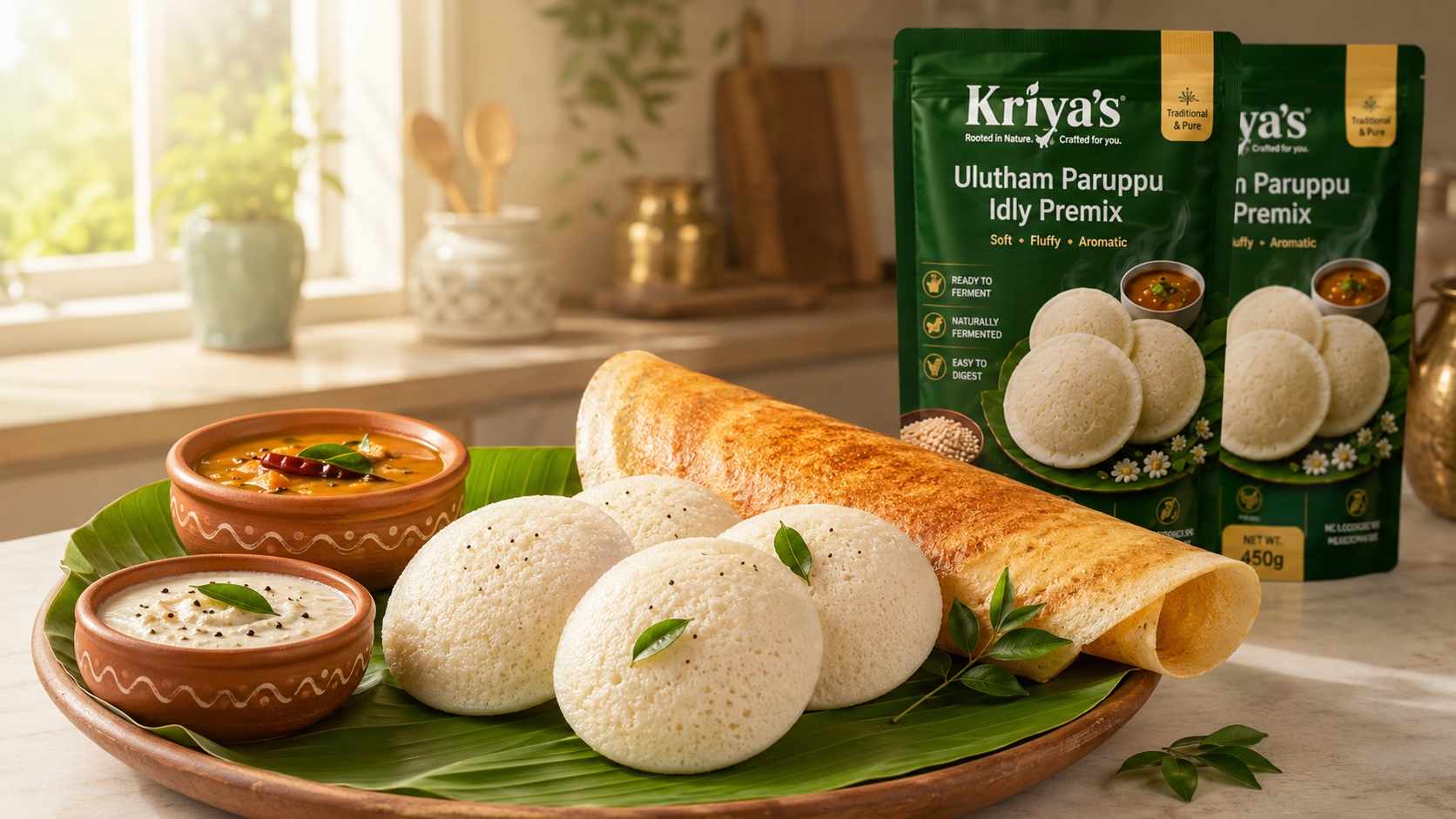
Cook & Enjoy
10–15 minutesFor idlies: fill greased moulds ¾ full and steam for 10–12 minutes on medium heat. For dosas: thin the batter slightly, pour on a hot oiled tawa and spread in circular motion.
Don't lift the idly mould lid for the first 8 minutes
The Result
What Perfect Fermentation Looks Like
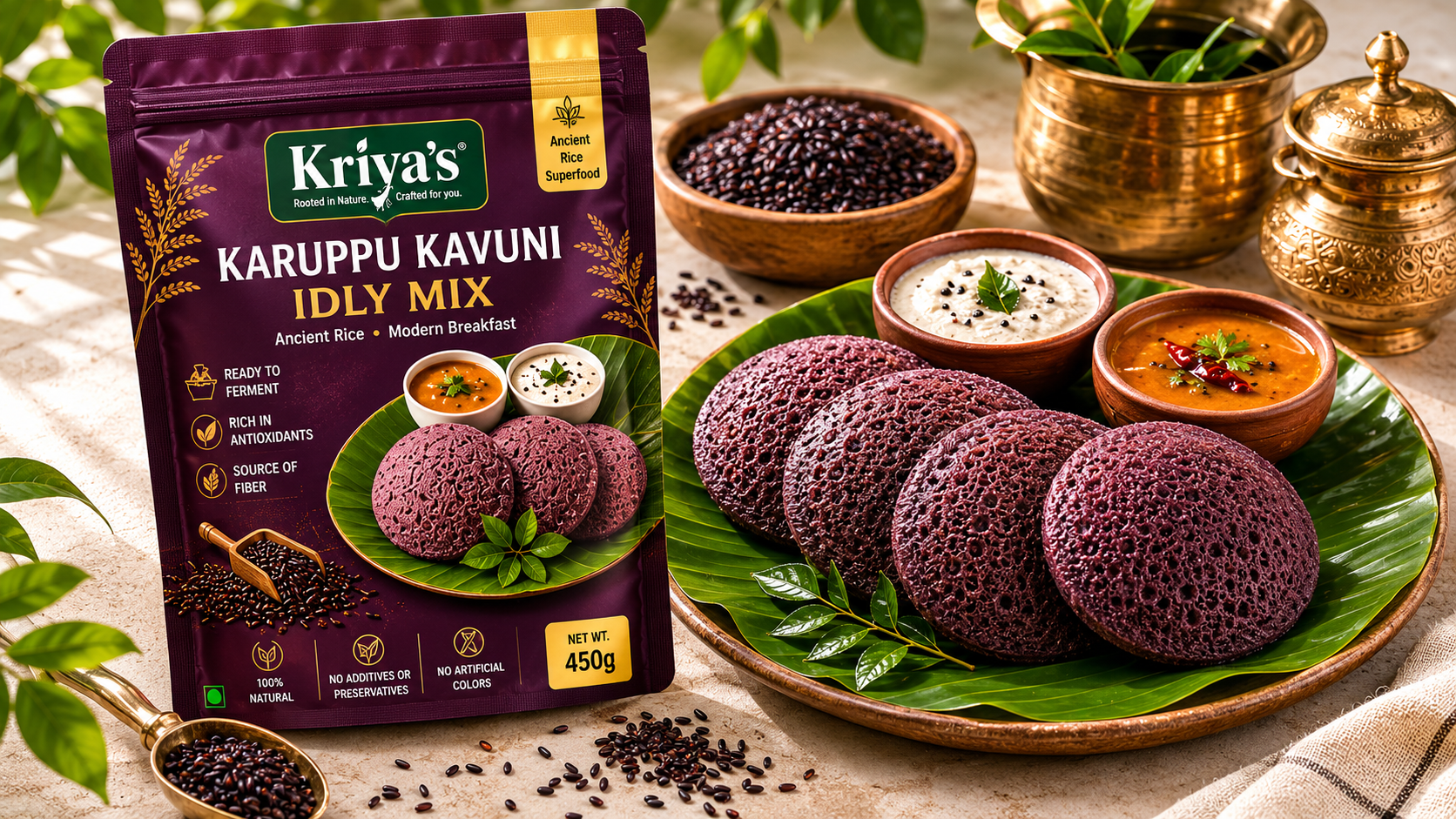
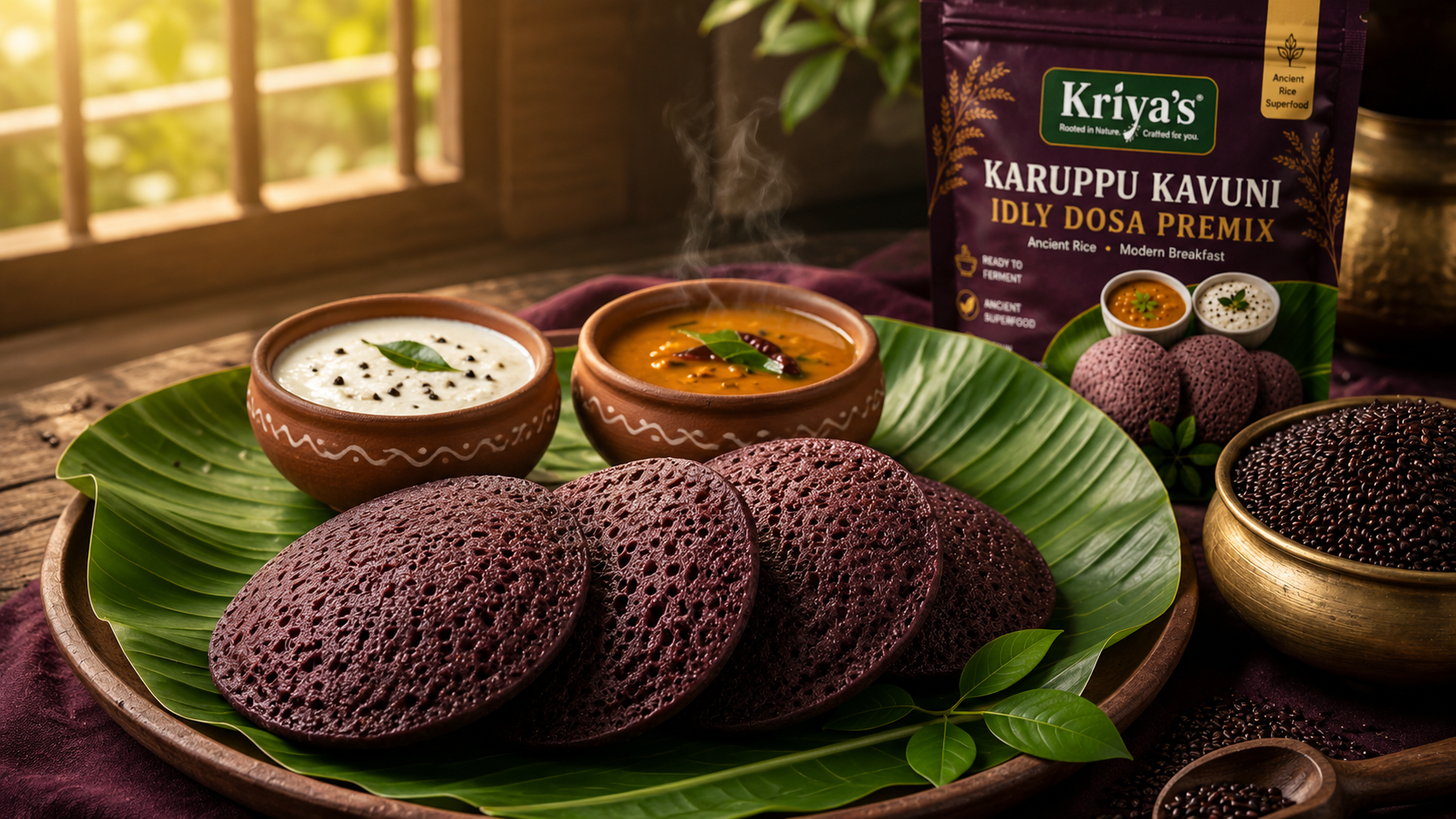
Kavuni Idly
Deep purple, fluffy inside
Classic Idly
Cloud-soft, airy texture
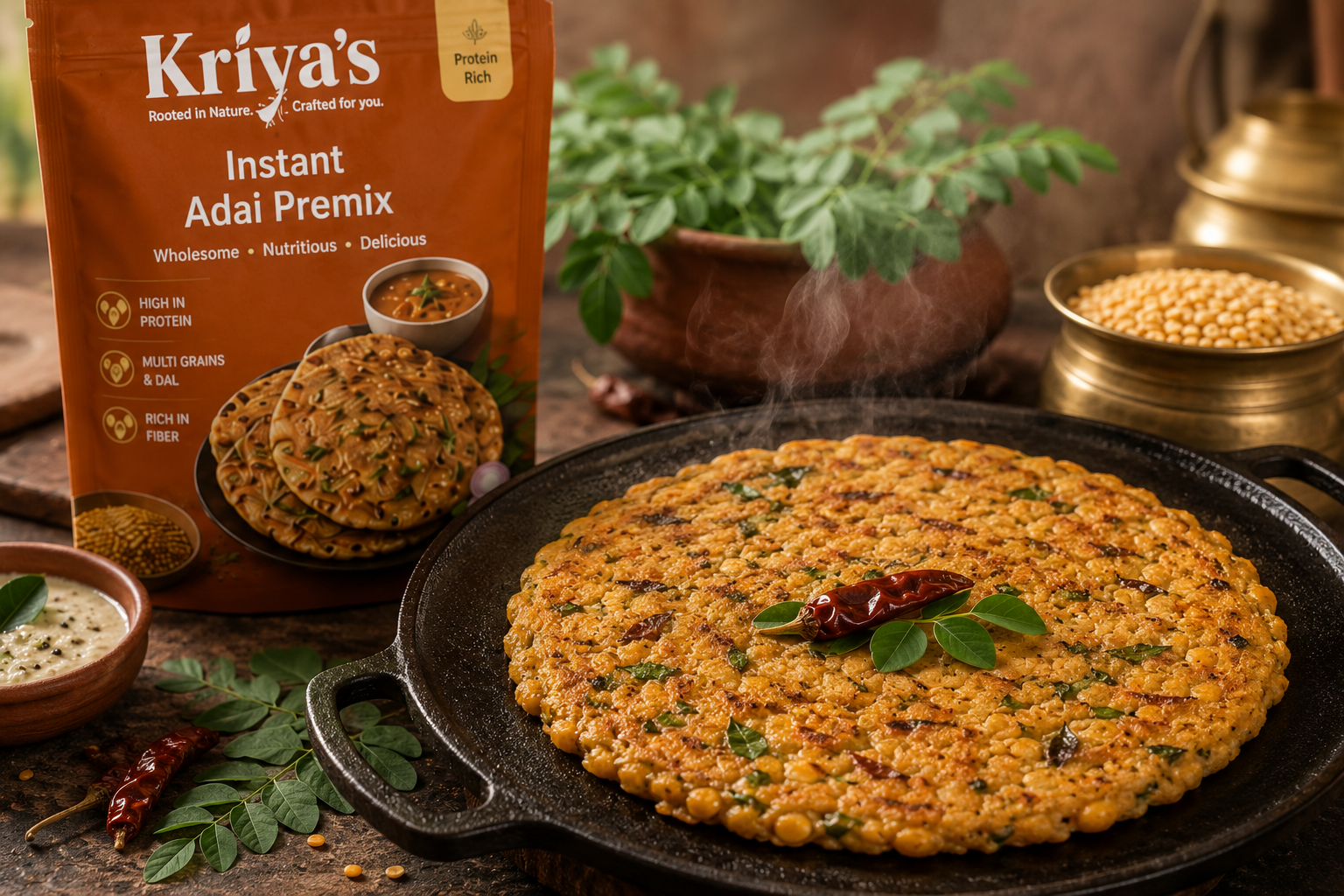
Adai
Crispy, protein-rich
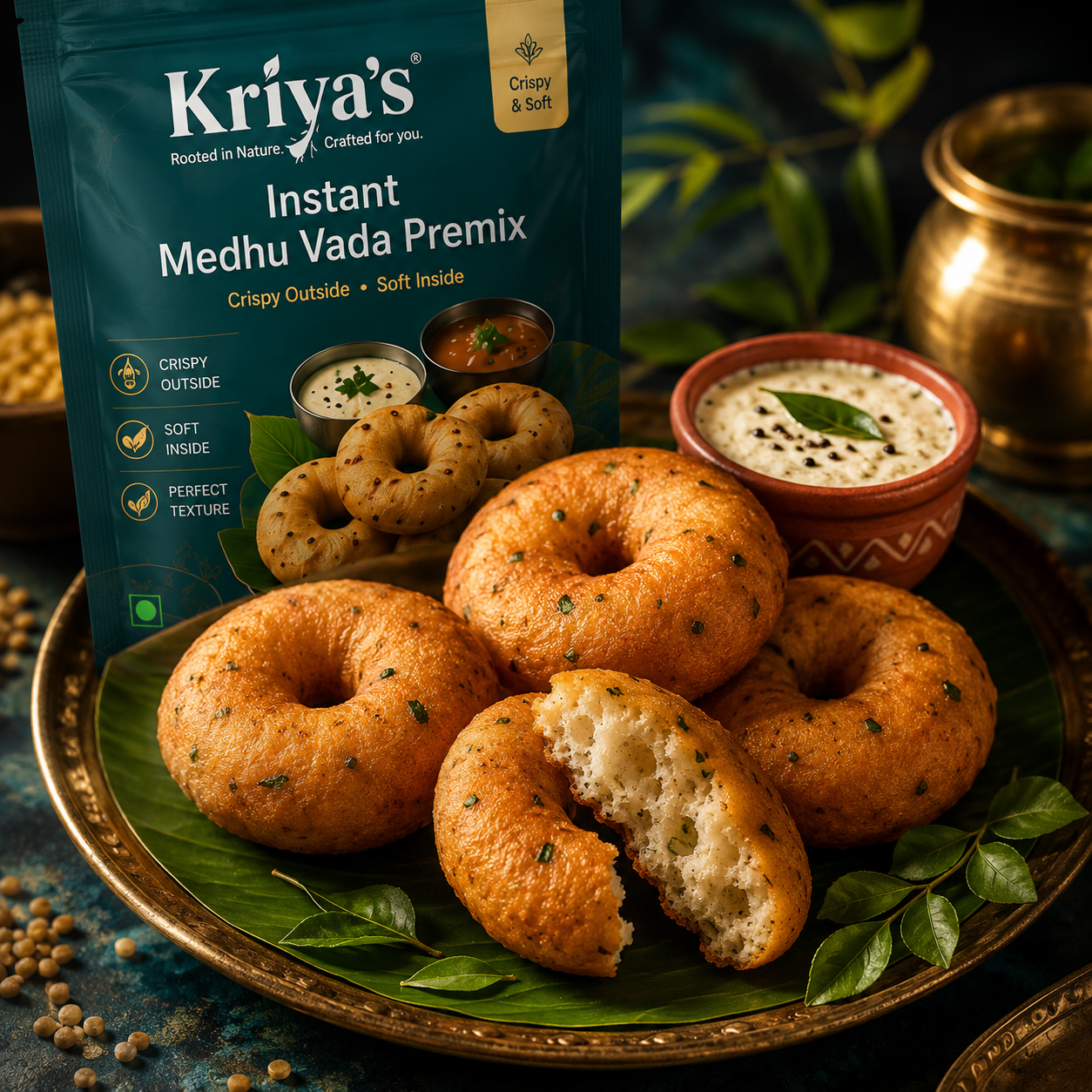
Medhu Vada
Crispy outside, soft inside
All dishes made using Kriya's premixes — no additives, no shortcuts.
Key Variable
Temperature Guide
Adjust fermentation time based on your kitchen temperature
Cold / AC room
12–18 hours
Use warm oven (light on only) or near an appliance
Mild weather
10–12 hours
Kitchen counter works well; check at 10 hours
Ideal
8–10 hours
Perfect fermentation zone — kitchen in summer
Hot weather
6–7 hours
Watch carefully; can over-ferment quickly
Deep Dives
Guides & Articles
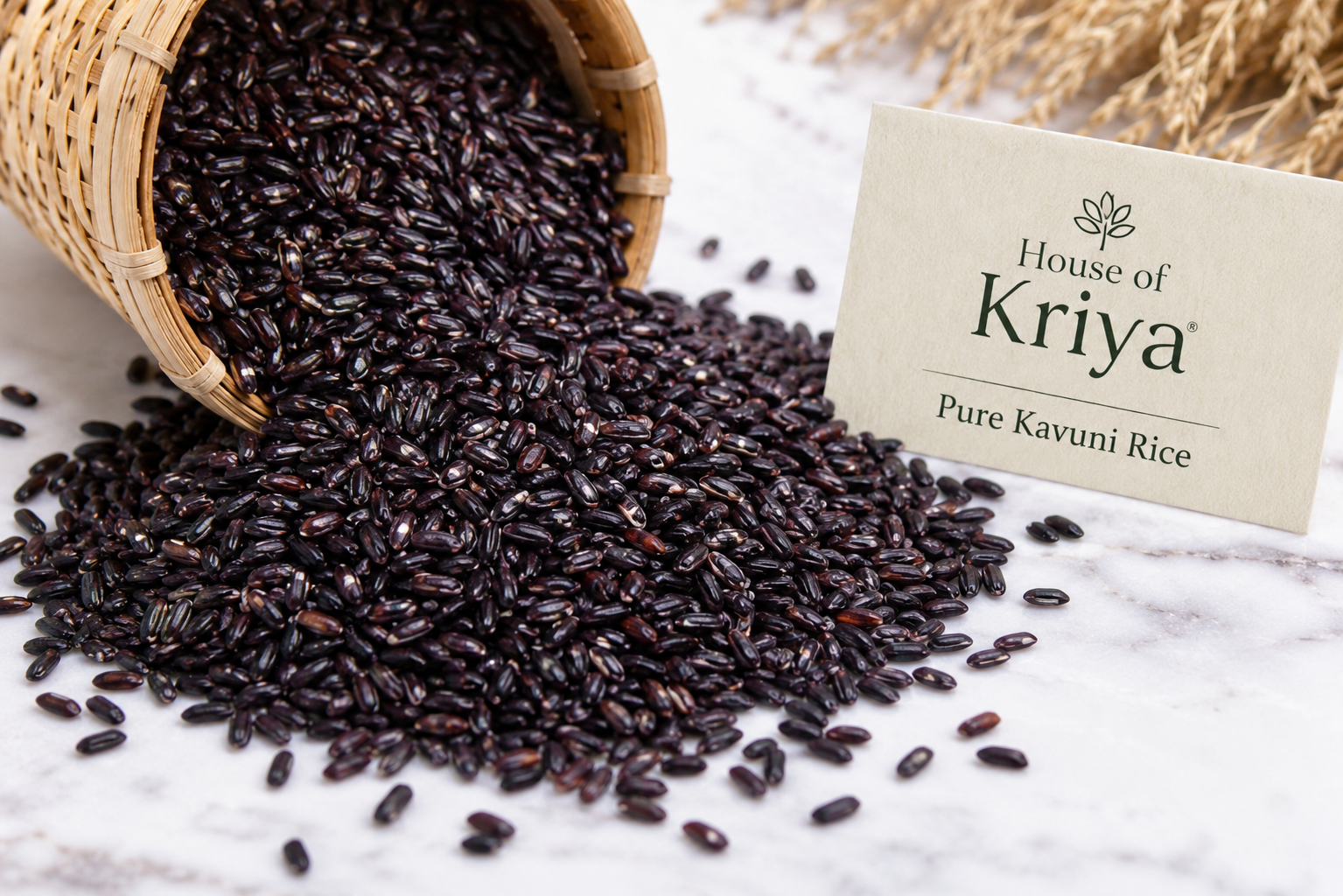 Science 5 min read
The Science of Fermentation
Why fermented batters are healthier, easier to digest, and richer in probiotics
The Science of Fermentation
Why fermented batters are healthier, easier to digest, and richer in probiotics
- Fermentation is a natural metabolic process where Lactobacillus bacteria — present on rice and urad dal — convert carbohydrates into lactic acid and carbon dioxide.
- This produces a slightly sour batter that rises as CO₂ is trapped, making idlies naturally fluffy without any raising agents.
- The process significantly increases B vitamin content (especially B12), reduces anti-nutritional factors like phytic acid that block mineral absorption, and creates beneficial probiotics for gut health.
- Traditional South Indian fermentation predates modern probiotic supplements by thousands of years — your grandparents were eating 'superfoods' long before the term existed.
How-to 7 min readMastering Soft Idlies
Water ratio, fermentation time, and steaming secrets for cloud-soft idlies
Mastering Soft Idlies
Water ratio, fermentation time, and steaming secrets for cloud-soft idlies
- Water ratio is the most common mistake. For 450g premix, start with 1.5 cups water and adjust to a thick, smooth batter that flows slowly — not runny.
- Temperature is critical. At 28–32°C, ferment for 8 hours. In winter or AC rooms, allow 10–14 hours, or use the oven with just the light on.
- Look for these signs: the batter should double in volume, have a pleasant sour aroma, and show small bubbles on the surface.
- Steaming technique: use medium heat, don't over-fill moulds (¾ full), and resist lifting the lid for 8 minutes. Over-steaming (beyond 12 min) makes idlies rubbery.
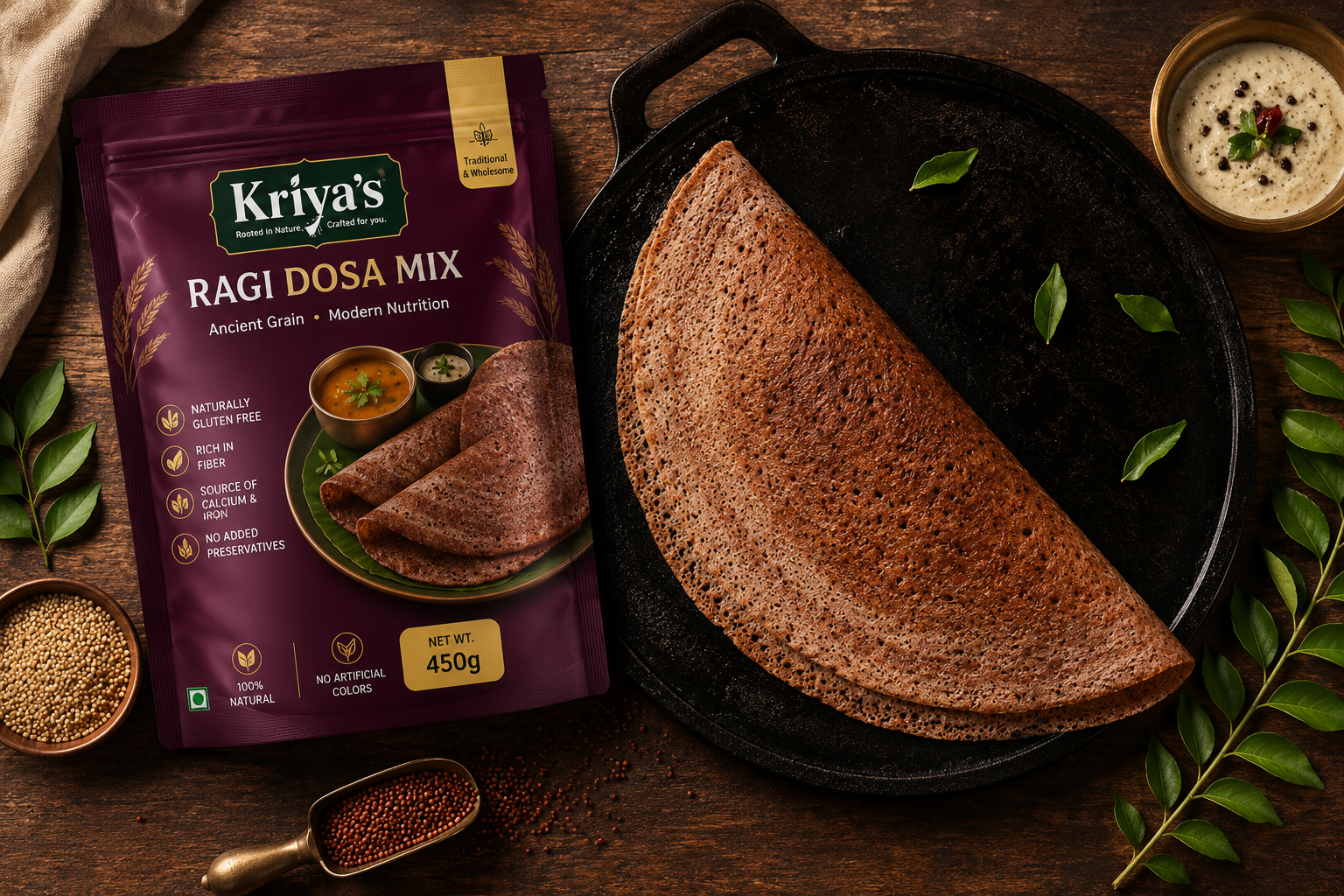 Tips 6 min read
Crispy Dosa Secrets
Batter consistency, tawa heat, and spreading technique for paper-thin dosas
Crispy Dosa Secrets
Batter consistency, tawa heat, and spreading technique for paper-thin dosas
- Batter consistency differs for dosa vs idly. After fermentation, thin the batter slightly with water until it flows easily off a ladle but coats it evenly.
- Tawa preparation is everything: heat on high for 2 minutes, reduce to medium-high, then sprinkle water — it should sizzle aggressively and evaporate in 2 seconds.
- Spreading: pour a ladle of batter in the centre and spread in quick, confident concentric circles from inside out. Speed matters more than pressure.
- For crispy edges: drizzle a teaspoon of oil around the dosa edges after spreading. Wait until the surface looks dry before flipping.
 Troubleshooting 4 min read
Troubleshooting Your Batter
Diagnose and fix the most common fermentation problems
Troubleshooting Your Batter
Diagnose and fix the most common fermentation problems
- Batter not rising? It's almost always a temperature problem. Cold environments below 22°C slow fermentation dramatically. Try: oven with just the pilot light on, near a warm appliance, or a warm cupboard.
- Over-sour batter: fermented too long. Refrigerate immediately — it will keep for 3–4 days. Use for dosas (sour batter makes crispier dosas) or add a pinch of baking soda to neutralize.
- Watery idlies: batter too thin, or too much water in the steamer reaching the moulds. Drain any water from the idly plate and ensure a tight seal.
- Dosas sticking to tawa: the tawa isn't hot enough, or wasn't seasoned. Between dosas, rub half an onion dipped in oil across the surface to season and add flavour.
FAQ
Common Questions
Answers to the most frequently asked fermentation questions
Can I ferment in the refrigerator?
Why do I need to add salt only after fermentation?
My idlies are flat — what went wrong?
Can I use the batter immediately without fermentation?
How long does fermented batter keep?
What's the ideal vessel for fermentation?
Pro Tips at a Glance
The most impactful lessons from thousands of home cooks
- Never add salt before fermentation
- Cool water, not cold — for better bacterial activity
- Fold after fermentation, don't whip
- Steam idlies at medium heat only
- A hot tawa is non-negotiable for crispy dosas
Ready to try it yourself?
All you need is Kriya's premix and 8 hours of patience.
Shop Kriya's Premixes